Building material costs in the UK have shifted considerably since 2024, with timber and brick prices now stabilising after two years of volatility. If you're planning a renovation, extension, or new build, understanding current material costs is essential for accurate budgeting. This guide breaks down 2026 prices for the most common materials, explains regional variation, and shows you how to reduce costs without compromising quality.
Current UK Building Materials Prices: 2026 Overview
As of January 2026, building material costs remain elevated compared to pre-pandemic levels, though inflation has slowed. Brick prices range from £0.30 to £0.80 per unit, timber costs £400–£800 per cubic metre, and concrete blocks sit at £1.20–£1.80 each. These figures vary significantly based on specification (facing bricks cost more than commons), region (London runs 15–25% higher than the Midlands), and supplier type (specialist merchants charge more than nationwide chains).
The UK construction sector has stabilised after the 2021–2023 spike, but material costs haven't returned to 2019 levels. Labour shortages in manufacturing, energy costs, and import duties on materials from Europe post-Brexit keep prices firm.
Brick and Blockwork Costs Explained
Bricks are the foundation of most UK buildings, and their price depends entirely on type and finish.
Standard Common Bricks
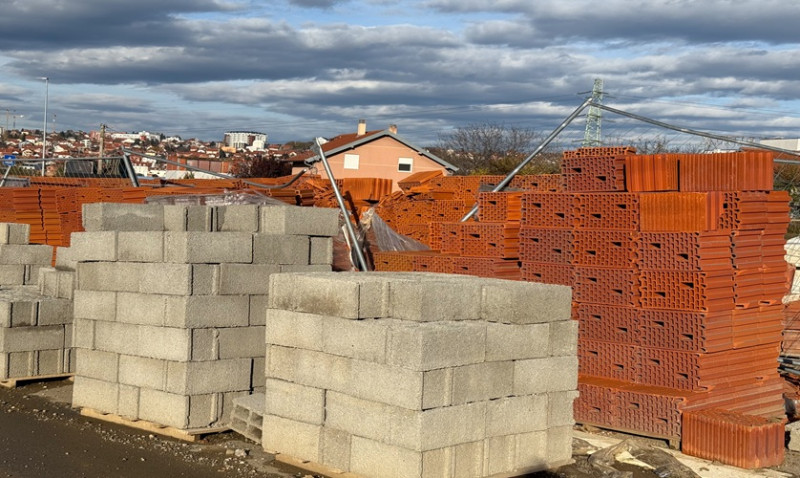
Common bricks cost £0.30–£0.45 each, typically used where appearance doesn't matter (internal walls, hidden faces). A square metre of brickwork uses roughly 60 bricks, so expect £18–£27 per square metre in material alone, before labour. You'll need about 1,000 bricks per square metre of single-skin wall.
Facing Bricks
Facing bricks, which are visible on the exterior, cost £0.50–£0.80 per unit. Handmade or reclaimed brick can reach £1.50–£3.00 each. A typical extension using 2,500 facing bricks will spend £1,250–£2,000 on brick alone. Popular ranges include London Stock (warm red-brown, £0.65–£0.85), Fletton (yellow-grey, £0.40–£0.60), and Anglian Bond (structural facing, £0.55–£0.75).
Concrete Blocks
Standard concrete blocks (440 × 215 × 100mm) cost £1.20–£1.80 each. A square metre needs eight blocks, so £9.60–£14.40 per square metre in material. Heavyweight blocks for basement work cost more; lightweight blocks for partition walls cost less (£0.80–£1.20).
Timber and Wood Prices: Impact of Market Volatility
Timber prices fluctuate based on global supply and sterling weakness. Softwood (pine, spruce) costs £400–£800 per cubic metre as of 2026, while hardwoods range £1,200–£3,000 per cubic metre. For practical building purposes, here's what typical materials cost:
- 2×4 inch timber joists: £0.80–£1.20 per metre
- 4×2 inch floor joists: £1.10–£1.60 per metre
- Plywood sheets (2.4×1.2m, 18mm): £35–£55 per sheet
- OSB boards (2.4×1.2m, 18mm): £18–£28 per sheet
- Treated fence posts (100×100mm, 2.4m): £8–£14 each
- Roofing timber packages (per square of roof): £180–£280
Pressure-treated timber costs 20–30% more than untreated, due to preservative treatment. If you're building a deck, pergola, or garden structure exposed to the weather, the extra cost is worth it. Untreated timber rots within 5–10 years in the UK climate.
Softwood suppliers include Travis Perkins, Jewson, and specialist timber merchants like Inco. Specialist hardwood merchants, which focus on decking, cladding, or joinery, typically charge more but offer better selection and expertise.
Concrete, Screed and Insulation Material Costs
Concrete underpins most new builds and extensions. Ready-mix concrete costs £100–£180 per cubic metre delivered (minimum order usually 3m³). A typical foundation strip or slab for a small extension (15m²) requires 2–4m³, so expect £200–£720 in concrete alone, plus delivery charges (£20–£50 if your site is within 10 miles of the plant).
Self-compacting concrete costs 15–25% more than standard ready-mix but reduces labour time. Specialists like Lafarge Tarmac and Boral deliver nationwide.
Screed and Levelling
Concrete screed for floors costs £15–£25 per square metre in material. If you're laying 100m² of screed over a slab, budget £1,500–£2,500 in material.
Insulation: A Cost-Saving Priority
Insulation is one of the best investments in any renovation, and prices remain stable:
- Mineral wool batts (100mm, per m²): £2.50–£4.00
- Rigid foam boards (100mm PIR/XPS): £8–£15 per m²
- Blown cellulose (per m²): £5–£9
- Sheep's wool batts: £6–£12 per m² (eco-friendly, similar thermal performance)
- Spray foam (per m²): £18–£35 (highest cost but excellent air-tightness)
For a 50m² loft, mineral wool insulation costs £125–£200 in material; rigid foam boards cost £400–£750. Spray foam would cost £900–£1,750 but creates an airtight seal that mineral wool cannot match, reducing heating costs over time.
Roofing, Windows and Doors: Premium Costs
Roofing is one of the largest material expenses. Clay roof tiles cost £0.40–£0.70 per tile. A typical pitched roof needs 35–40 tiles per square metre, so £14–£28 per m² in material alone. A 100m² roof costs £1,400–£2,800 in tiles before fixings, battens, and felt.
Slate tiles cost significantly more: £1.20–£4.00 per tile, or £42–£160 per m². Spanish slate is cheaper (£0.80–£1.50); Welsh slate is premium (£2.50–£4.00).
Concrete interlocking tiles cost £0.15–£0.35 per tile (the budget option at £5–£14 per m²).
Windows and Doors
uPVC windows cost £250–£500 per unit for a standard casement window; timber sash windows cost £400–£800 each. Aluminium frames reach £600–£1,200 per window. A four-bedroom house typically requires 8–10 windows, so your total window budget runs £2,000–£12,000 depending on material choice.
External doors cost £150–£600 for uPVC, £300–£800 for composite, and £500–£1,500 for hardwood. Most renovations involve 2–3 external doors, so budget £600–£3,000.
Regional Price Variations: Where You Build Matters
Material costs vary by region due to transport, supplier availability, and local demand. London and the South East typically cost 15–25% more than the Midlands and North, due to higher demand and land costs.
- London and South East: expect premiums on all materials; brick £0.60–£0.95, timber merchants often add 10% surcharge
- Midlands and South West: 10–15% lower than London; more competitive suppliers
- North and Scotland: 10–20% lower than London, but delivery costs can offset savings for heavy materials like concrete
- Rural areas: transport becomes a factor; concrete delivery charges can double if you're more than 20 miles from a batching plant
Use online calculators from Travis Perkins or Jewson to check your postcode's exact pricing—it's more reliable than national averages.
Cost-Saving Strategies Without Cutting Corners
Building a budget doesn't mean choosing poor-quality materials. Here are proven ways to reduce costs:
- Bulk discounts: order all materials from one merchant (Travis Perkins, Jewson, Screwfix) for 5–10% discount. Split orders cost more.
- Buy common grades: facing bricks look identical to the untrained eye; specify mid-range options rather than premium handmade varieties. A £50,000 saving is possible on a large project.
- Use composite doors instead of timber: composite costs £300–£600 but lasts 30+ years with minimal maintenance. Timber doors cost £500–£1,500 and require repainting every 5–7 years.
- Choose mineral wool insulation for walls, rigid foam for roofs: this hybrid approach balances cost and performance (£6–£10 per m² average).
- Order early in the year: suppliers offer better pricing in January–March when order books are lighter; avoid summer months when demand peaks.
- Check delivery minimums and consolidate orders: two £500 orders cost more in delivery than one £1,000 order.
Supply Chain and Brexit Impact on UK Material Costs
Since 2021, import duties and customs delays have pushed costs up. Steel reinforcement, for example, costs 30–40% more than 2019 levels, and some European timber ranges are no longer stocked. Brexit has also reduced supplier competition—fewer continental merchants compete on the UK market.
However, this has encouraged local production: UK brick manufacturers have increased output, and regional timber merchants are more competitive than they were in 2022–2023. Expect prices to remain stable rather than fall in 2026.
Frequently Asked Questions
What building materials cost the most in a typical extension?
Brick and blockwork, timber frame, and roof materials are the big three. For a 30m² single-storey extension, these typically total £8,000–£15,000. Insulation, doors, and windows add another £3,000–£6,000. Labour usually exceeds materials by 50–100%, so budgeting for materials alone underestimates total cost significantly.
Are Brexit import duties adding to building material costs?
Yes—import duties on steel, timber, and some finishes have increased costs by 20–35% since 2021. Duty rates have stabilised as of 2026, so further large increases are unlikely unless tariffs change. Sourcing materials from UK manufacturers (brick, some timber) avoids import costs entirely.
Where should I buy building materials to get the best price?
Travis Perkins and Jewson offer nationwide inventory and competitive pricing for bulk orders. Specialist merchants (timber merchants, brickworks) often match or beat chain prices for specific materials and provide expert advice. Always compare three quotes from different suppliers—savings of 10–15% are common.
Do material prices vary by season?
Yes. January–March typically offers the best pricing; July–September demand peaks and prices rise. Concrete and timber prices fluctuate with global supply and sterling weakness, so locking in prices early reduces risk. Ready-mix concrete is stable year-round as long as plants aren't at capacity.
How much do premium materials (slate, hardwood, composite) cost extra?
Welsh slate costs 5–8 times more than concrete tiles (£140–£160 per m² vs £5–£14 per m²). Hardwood siding costs £40–£100 per m² vs £10–£25 for softwood cladding. Composite doors cost 20–30% more than uPVC but last twice as long with zero maintenance. Premium materials justify cost only if longevity and appearance are priorities.
Compare trusted building material suppliers near you. QuoteBank shows you verified local businesses—you pick who contacts you. No cold calls, no obligation.
Trending articles